If its not life threatening don’t go to A&E – call 111
03/11/2020
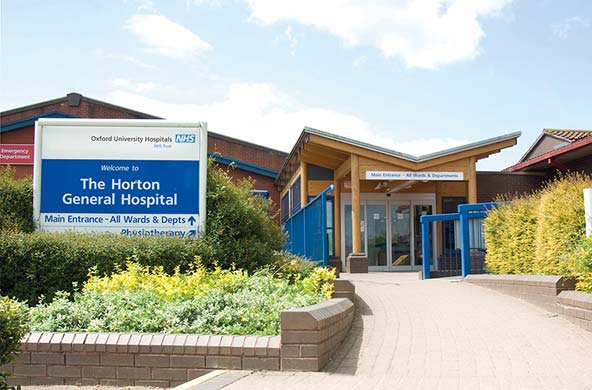
Don’t just head to the Emergency Department for non-life threatening issues
Anyone thinking of heading to the Horton General Hospital A&E department, or the Emergency Department at the John Radcliffe Hospital, is being encouraged to contact NHS 111 first, rather than just turn up at A&E.
The advice is for anyone who hasn’t got a life-threatening emergency and comes as the NHS across the country faces increased pressure due to the number of COVID-19 patients they are having to treat.
Those calling NHS 111 will be assessed and, if appropriate, booked into either the John Radcliffe or Horton General Hospital Emergency Department for treatment.
NHS 111 is the national system that people can contact if they need clinical advice.
Caller handlers for NHS 111 will assess what medical help a person requires. They may suggest other courses of action rather than attending an Emergency Department. These options could include visiting a local Minor Injuries Unit, visiting their local pharmacy, dentist, optician, or their own GP, or even self-care.
Lily O’Connor, Deputy Director for Urgent Care at Oxford University Hospitals NHS Foundation Trust, said: “NHS 111 First is a very important part of our planning as we continue to tackle winter pressures and plan for any future surges of COVID-19.
“NHS 111 First is designed to improve outcomes and experiences for our patients in healthcare settings, and also help us to maintain social distancing in our Emergency Departments and ensure that people receive the right care in the right place.
“People will still be able to contact 999 and attend an Emergency Department if they are experiencing a medical emergency, but we would encourage people who do not need emergency care to contact NHS 111 First to receive the most appropriate, timely, and convenient treatment.”
Dr Ed Capo-Bianco, Urgent Care lead at Oxfordshire Clinical Commissioning Group (CCG), said: “The benefit of contacting NHS 111 First is that you will be assigned to the service that is most appropriate for your needs so you should end up in the right place, first time. You may be seen more quickly and by the healthcare professional who is best placed to treat you, a loved one, or the person you are caring for.
“By advising people where and when to go, we can reduce queues and avoid crowding in Emergency Departments and therefore reduce the risk of COVID-19 transmission as well as the transmission of seasonal illnesses like flu and colds.”
Published: by the Banbury FM News Team
Reader's opinions